Set an Entertainment Budget
Choose an amount you can comfortably lose without affecting everyday commitments or financial plans.
 Register
BK933 responsible gaming encourages adults in Bangladesh to make calm, informed choices around online gaming. This guide covers spending boundaries, time limits, emotional warning signs, account protection, and practical ways to pause when entertainment begins to feel stressful.
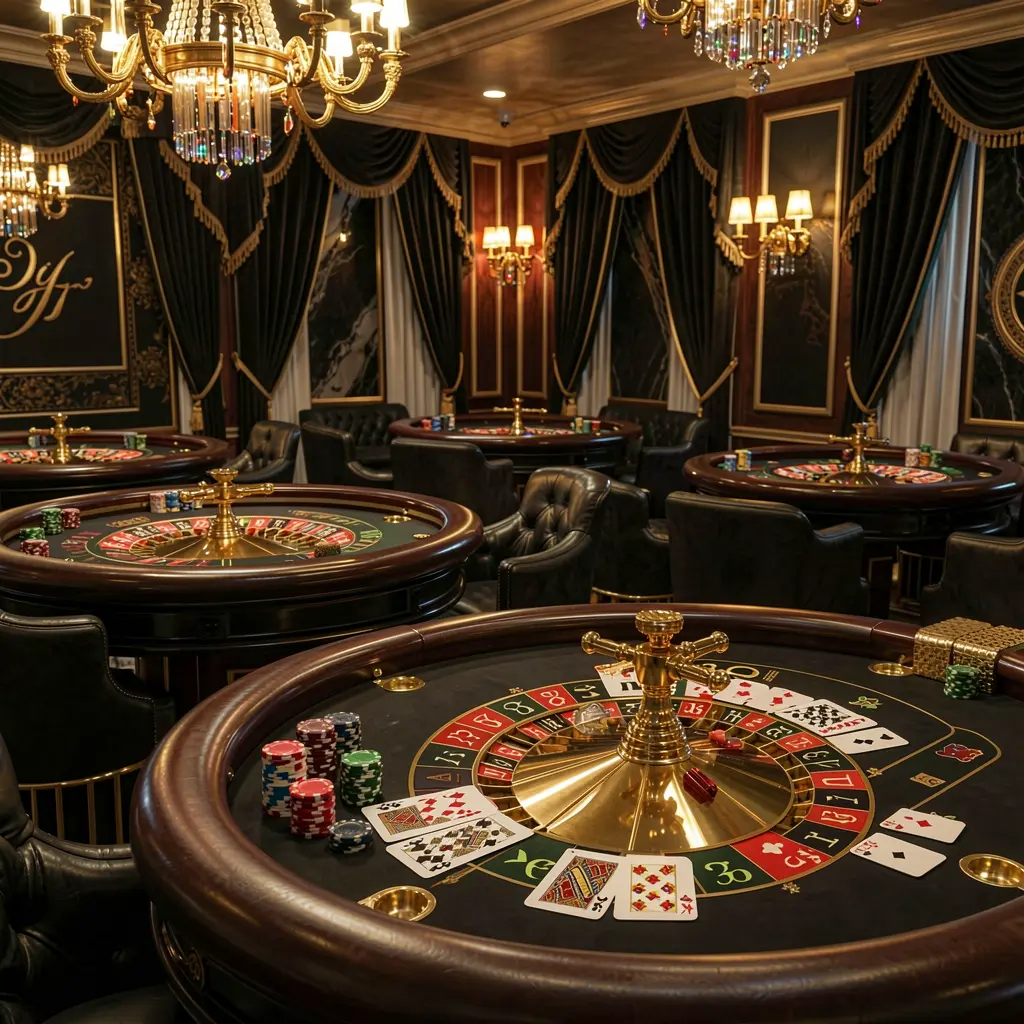
BK933 users should remember that gambling-style entertainment involves uncertainty and financial risk. Outcomes cannot be predicted, and no game, offer, pattern, or previous result can guarantee a win or prevent losses.
Before opening an account, making a deposit, or joining a promotion, adults should consider their personal circumstances. Gaming should never take money needed for food, housing, education, transport, bills, savings, or family responsibilities.
Users in Bangladesh should check whether online gaming activity is permitted in their location before participating. Where rules are unclear, the sensible choice is to avoid proceeding until reliable information is available.
Healthy use begins before a session starts. Decide how much time and money can be used for entertainment, then accept that the session ends when either boundary is reached.
Choose an amount you can comfortably lose without affecting everyday commitments or financial plans.
Set a clear end time before logging in and leave when the reminder appears.
Review eligibility, wagering requirements, expiry details, and restrictions before accepting any promotion.
Keep passwords, OTP codes, identity documents, and payment information away from unofficial contacts.
Take a break when excitement, frustration, urgency, or regret begins influencing decisions.
A simple routine can reduce impulsive decisions. Follow the same process for every session, including brief visits, so limits are based on planning rather than changing moods.
Use only money already set aside for optional entertainment. Do not borrow, use credit, sell belongings, or delay important payments to continue playing.
Decide when the session will finish before signing in. Set an alarm and treat it as a stop signal, not a suggestion.
Do not use BK933 when worried about money, upset after conflict, exhausted, or trying to escape difficult feelings. Return only when calm.
Note deposits, withdrawals, time spent, and any extra top-ups. Written records can reveal patterns that memory may overlook.
Accept the planned stopping point after either wins or losses. Trying to recover money or extend a lucky moment can weaken control.
Problematic habits do not always begin with large amounts. Repeated small deposits, frequent checking, hidden transactions, and difficulty ending a session can all show that gaming is taking too much space.
A break can be short or extended, depending on the situation. If these signs continue, speak with a trusted person and consider using available account restriction or closure options.
Responsible gaming includes keeping account access secure. Never share login credentials, one-time codes, payment screenshots, verification documents, or recovery links through social media, messaging groups, or unknown agents.
Review activity regularly rather than focusing only on the latest balance. Looking at total deposits, total time, and the reason for each session can help identify growing pressure early.
If available, tools such as spending limits, session reminders, cooling-off periods, self-exclusion, transaction history, or account closure may support a safer break. Use them early if control begins to feel difficult.
Gaming should remain adult-only, lawful where used, optional, and affordable. If it causes debt, secrecy, anxiety, conflict, or harm to daily life, stop participating and seek support from someone you trust.
Answers for BK933 users on limits, breaks, account safety, warning signs, and responsible online gaming decisions.
Responsible gaming means treating online gaming as optional adult entertainment, setting money and time limits before play, understanding the risk of losses, and stopping when activity creates pressure or harm.
Only use an entertainment budget that does not affect essential needs, debt payments, savings, education, transport, household costs, or family responsibilities. Never borrow money to play.
Chasing losses can lead to unplanned deposits, longer sessions, and emotional decisions. Past results do not make a future outcome more likely, so the safer response is to stop at the planned limit.
Pause and read all terms before acting. A promotion should fit your existing budget and time boundary, not persuade you to deposit more or remain active longer.
Take a break when gaming affects spending, sleep, work, studies, relationships, or emotional wellbeing. A break is especially important after hidden activity, repeated deposits, or difficulty stopping.